

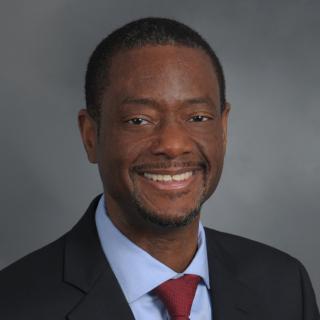
David Cyrille
David G. Cyrille, M.S., serves as the Chief Research Information Officer (CRIO) and Assistant Vice President for Information Technology at Stony Brook University, bringing over 30 years of experience in enhancing research computing services and fostering IT innovation. His IT leadership journey began as the Director of IT for the NIH-funded General Clinical Research Center (GCRC), where he was instrumental in establishing Stony Brook's inaugural centralized IT infrastructure to support clinical research. Over the years, his role has evolved significantly, with recent positions including the Director of Research Services and Innovation at Stony Brook Medicine, prior to his promotion to CRIO and Assistant VP in 2019.
David has been a staunch advocate for IT innovation throughout his tenure at Stony Brook University. He led the implementation of the university’s first HIPAA-compliant high-performance computing (HPC) cluster, introduced globally recognized clinical research information systems, and spearheaded the deployment of Stony Brook Medicine's institutional COVID-19 Data Commons. Additionally, he facilitated the integration of MS Azure, marking Stony Brook Medicine's initial foray into utilizing a cloud environment for clinical research. His leadership extends beyond technology deployment; he has chaired various steering committees, influencing campus policies and processes, and has been actively involved in multidisciplinary initiatives aimed at translating research discoveries into clinical practice and operations, encapsulating the "bench to bedside" approach.
David is renowned for his collaborative leadership style. He effectively engages with all levels of the campus community, including students, clinicians, faculty, staff, and executives. His dedication over the past three decades underscores his commitment to the success of the Stony Brook University (SBU) community. David thrives on developing and deploying new systems and procedures that enhance the university's ability to thrive and excel. The accomplishments of his colleagues and the broader university community continue to drive him, and he finds his greatest reward in providing the necessary services and technologies to help them achieve their goals through innovative information technology solutions.